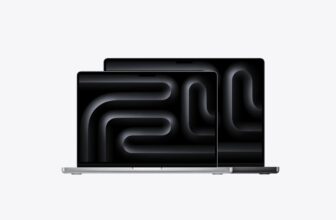
The thread of burn-in on OLED TVs and monitors is sometimes a little exaggerated. Modern displays have a number of countermeasures to prevent burn-in, some of which I’ll get into shortly. On top of that, it normally takes quite a while for the effect to take hold, and it’s possible you’ll never encounter the faintest signs even by the time you’re ready for a new screen.
The danger remains real, however. There are a few steps you can take to prevent burn-in, some of which involve adjusting your habits, not just depending on software. It’s the price you pay for wanting the peak in color and contrast, at least until technologies like RGB mini-LED become more affordable.
Turn off your display when you’re not using it
Basic, but too easily forgotten
This tip might almost sound condescending, but there’s plenty to say on the matter. At a minimum, it’s a bad idea to leave a TV on a news channel when you’re not watching it, or a monitor on the same browser or spreadsheet tab. While you might be listening to the headlines, or on the clock at work, both news channels and PC apps tend to have a lot of static graphics — which are the primary culprit for burn-in. If you really want to listen to the news instead of watch it, you’re better off listening to NPR or the BBC on your smart speaker.
Get in the habit of turning off a display unless you expect to be back in front of it in less than five minutes.
Screensavers are better than nothing, but less than ideal. You’re still unnecessarily wearing out an OLED’s pixels, and probably in an uneven way, since screensavers tend to loop through the same imagery. Get in the habit of turning off a display unless you expect to be back in front of it in less than five minutes.
There are some software options you can use to help you out. Both Macs and Windows PCs, for example, have options to automatically turn the screen off after a few minutes of inactivity. TVs have similar features, if usually with much longer delays — these are worth using as a failsafe, though, say if you fall asleep on a lazy Sunday, or your child wanders off in the middle of Peppa Pig.
Limit the amount of time you spend on one activity
Tougher than any boss in Elden Ring

This tip won’t be particularly helpful if all you’re doing is watching movies or shows, since those tend to be full of dynamic visuals. But if you’re working or playing games, there’s going to be at least a few static elements onscreen, such as menu bars or a health meter. So the longer you spend in any single app, the more you’re going to wear those particular pixels down.
There aren’t any concrete rules to follow, but a good rule of thumb is that you should avoid spending any more than an hour or two in a single app if you can help it. If you’ve been playing Elden Ring for a couple of hours, it might be time to watch a few episodes of Smiling Friends, or simply try a different game. There’s often not much choice when it comes to work, but if you’ve got another task you could be doing, you might appreciate mixing things up.
Obviously, the healthiest thing to do is step away from the screen entirely for a little while. You’ve probably got friends or loved ones to talk to, or chores or homework to do. If nothing else, you should consider taking a short walk to relax, get some exercise, and clear your mind.
Make sure all your display’s burn-in prevention options are active
Hopefully, you’re already good to go

TV and monitor makers have implemented a variety of measures on top of screensavers and auto-shutoff features. Pixel-shifting, for instance, will occasionally displace the entire image in a way that’s unnoticeable to you. Logo brightness adjustment detects elements like news channel logos or heads-up displays, then decreases the brightness of those pixels specifically. Finally, there are pixel refresh/cleaning cycles, which run periodically in an attempt to make wear uniform. There are usually two kinds of refresh cycles — a brief one that runs after a few hours of use, and a more thorough one that triggers manually, or only on a much longer timetable.
It’s wise to leave those short, automatic refresh cycles on, despite the fact that they can sometimes put your display out of commission for a few minutes.
The good news is that all of these options are likely on by default, since there’s little downside, and a lot to gain. But it is worth browsing a TV or monitor’s options if you want to doublecheck. On TVs, you may need to dive a few menus deep within the Settings app’s General or Display categories. Remember also that features may have different branding based on the whims of your TV maker.
It’s wise to leave those short, automatic refresh cycles on, despite the fact that they can sometimes put your display out of commission for a few minutes. These do a lot to prevent burn-in, and the longer ones you can trigger manually may actually reduce your TV’s lifespan if you run them more than intended. They’re very intense, and can potentially create uneven patterns where there weren’t any before. It’s only worth running a deep cycle yourself if you’re already coping with image problems.
Turn brightness down as far as you can tolerate
A small but meaningful sacrifice

If you want to get into the gritty details, the thing that causes burn-in is the effects of heat on the organic electroluminescent layer. While burn-in is, by definition, an uneven pattern, it stands to reason that you’re only going to amplify heat by ramping up brightness higher than it needs to go.
Don’t panic if you’re worried about image quality. On a modern TV, you should be fine if you can keep brightness levels at or under 60%, and that’s usually more than enough for a room with low or non-existent sunlight. On a PC monitor, you may need to ramp things higher to maintain readability, but consider 80% the limit unless you’re outdoors.
The best test for optimal brightness is watching a dark movie scene under typical lighting conditions. You should barely be able to make out any details in shadows.
No matter what kind of OLED you’re using, the best test for optimal brightness is watching a dark movie scene under typical lighting conditions. You should barely be able to make out any details in shadows. Yes, higher brightness levels can make colors and details “pop” more, but that’s usually not a huge concern, since HDR increases contrast anyway. The highlights on my laptop’s built-in display can be blinding, never mind some of the ultra-bright TVs shipping in 2026.
There are calibration tools (whether built-in or separate) you can use if you want to be more precise, but be careful about how you calibrate a PC. Windows 11’s default tools are geared towards a narrow color gamut, not the wide gamuts most OLEDs support, so they can actually wreck how things look instead of improving them.
Trending Products
HP 2024 Laptop | 15.6″ FHD (1...
Lenovo V-Series V15 Business Laptop...

HP 24mh FHD Pc Monitor with 23.8-In...

Thermaltake Ceres 300 Matcha Green ...

ASUS TUF Gaming 27″ 1080P Mon...
Acer Nitro 27″ WQHD 2560 x 14...

CORSAIR iCUE 4000X RGB Tempered Gla...
SAMSUNG 32-Inch ViewFinity S7 (S70D...
Wi-fi Keyboard and Mouse Combo, Lov...